Visual Arts & Expression
Visual Arts Overview
Visual arts are an integral part of The Burlington School’s arts program. Beginning in Transitional Kindergarten, students receive regular art instruction through fourth grade, building a strong foundation in creativity, technique, and visual literacy. As students move into Middle and Upper School, visual art becomes an elective option, allowing students to continue developing their skills through increasingly rigorous, choice-driven coursework.
Lower School Visual Arts
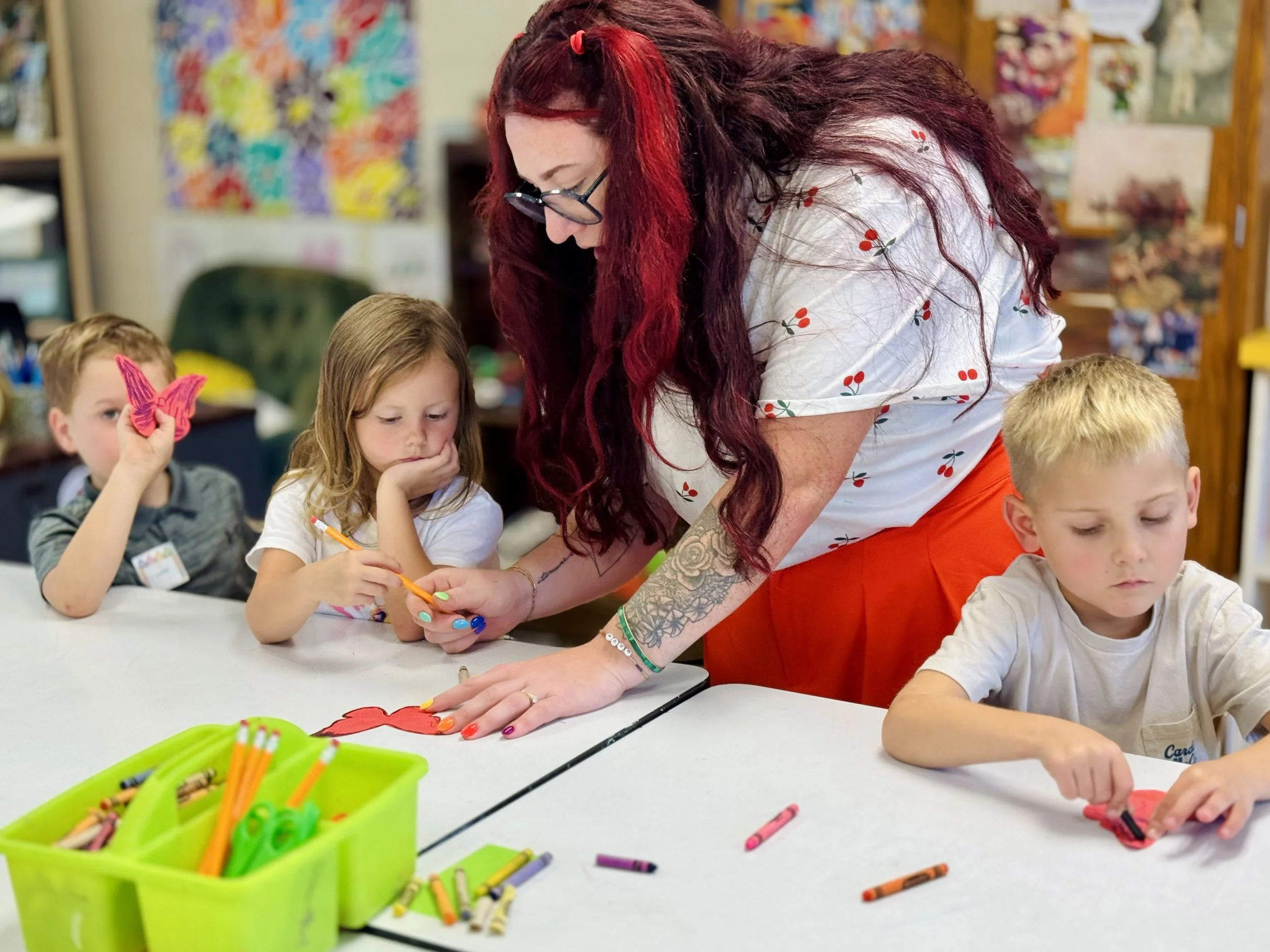
In Lower School, students learn the fundamentals of art through hands-on exploration and observation. Instruction focuses on basic composition, color mixing, and learning to pay close attention to what they see. Students work with a wide range of media including watercolor, tempera paint, collage, crayon, pencil, and pastels.
Projects are designed to be developmentally appropriate while encouraging creativity and imagination. As students progress, they are introduced to art history through the study and analysis of artists’ work, with projects that connect visual art to classroom learning across other subject areas.
Middle School Visual Arts
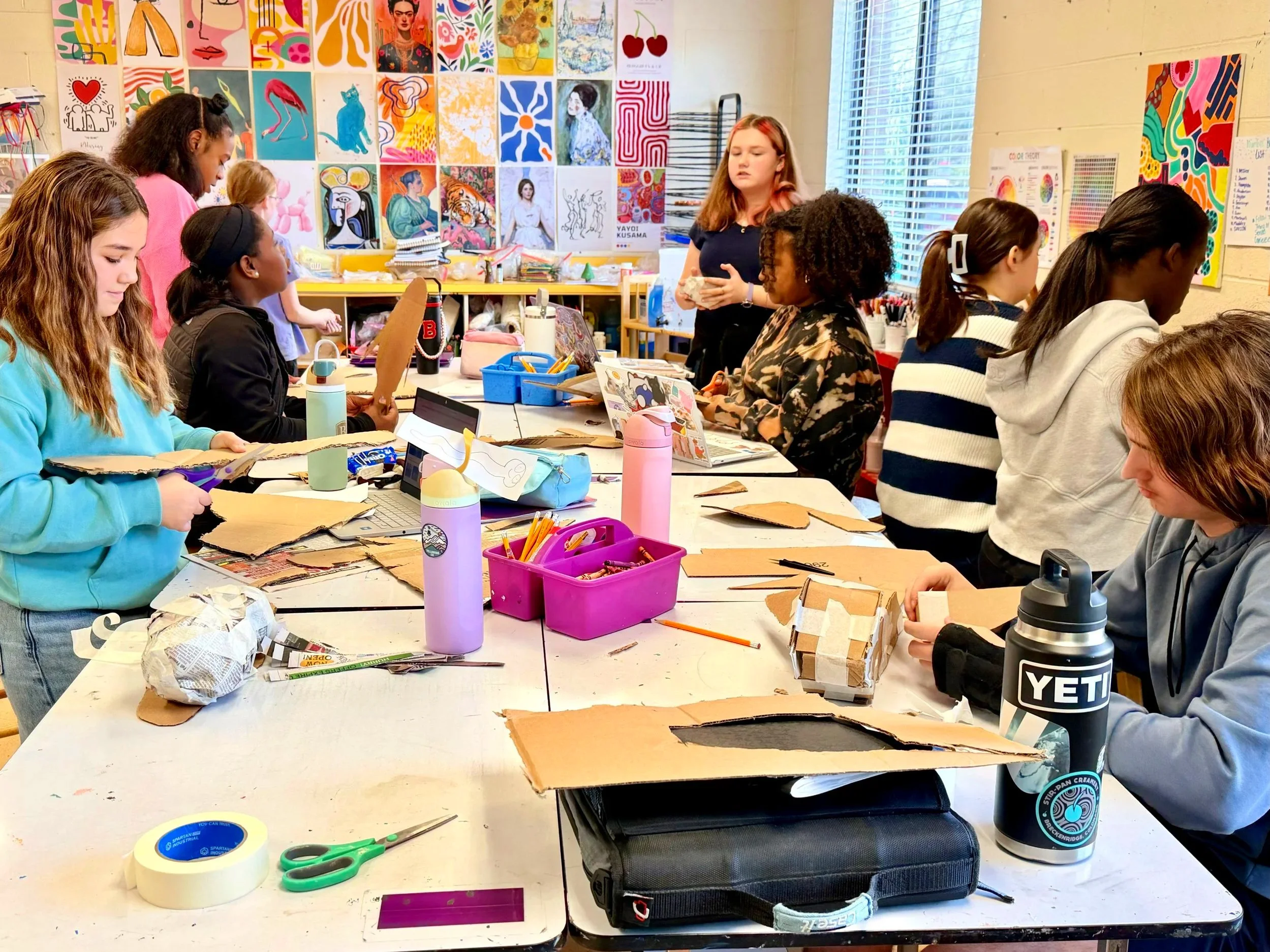
Middle School students may choose to continue in visual arts, where classes emphasize experimentation, independence, and artistic discipline. Students explore a variety of graphic art media including drawing, scratchboard, pastels, printmaking, mixed media and fibers art. They work either from in-class still lifes or from personal reference materials, which students are expected to provide.
Students complete multiple major projects per trimester, and the course is structured in a collegiate-style format, encouraging time management, critique, and personal responsibility.
Upper School Visual Arts
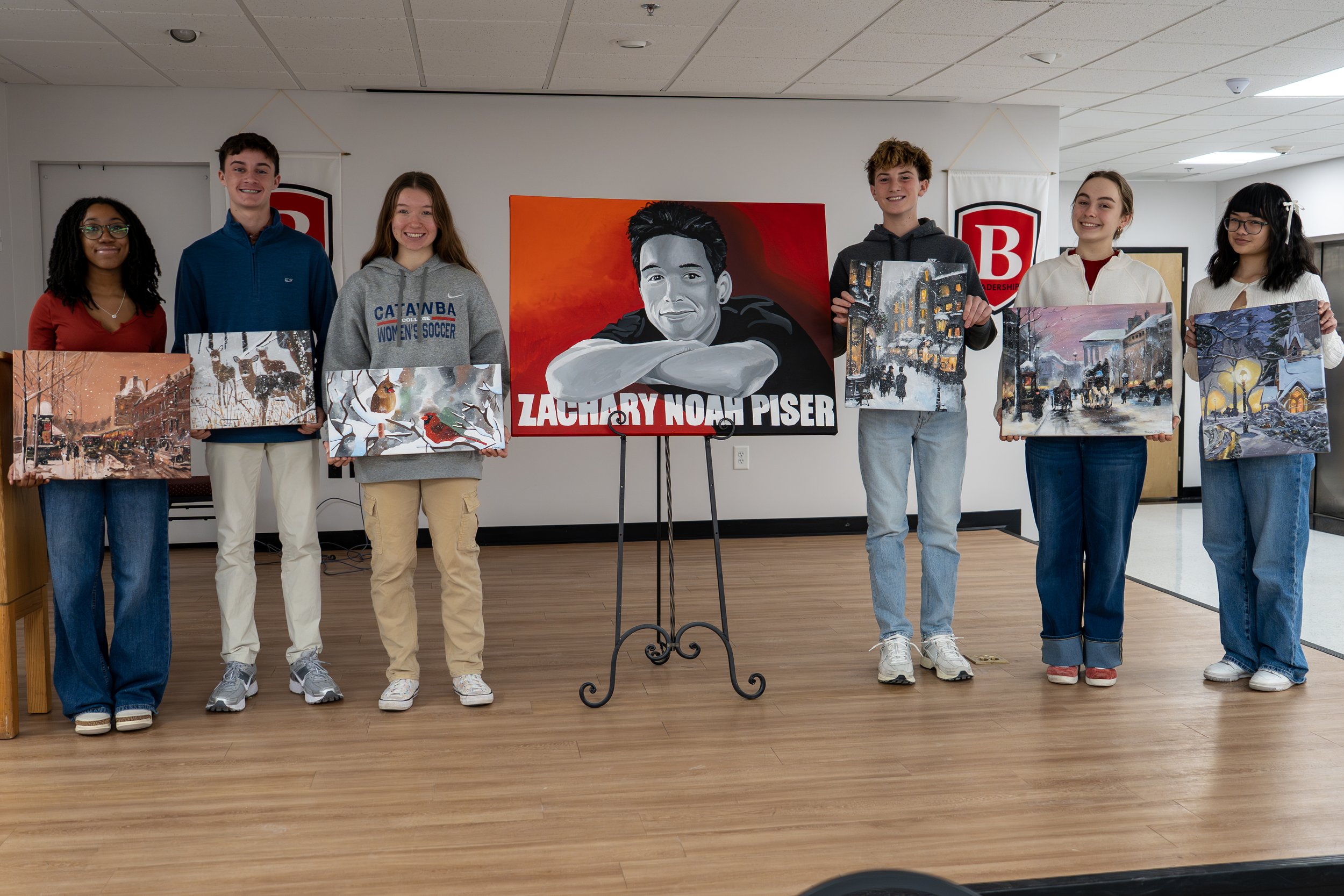
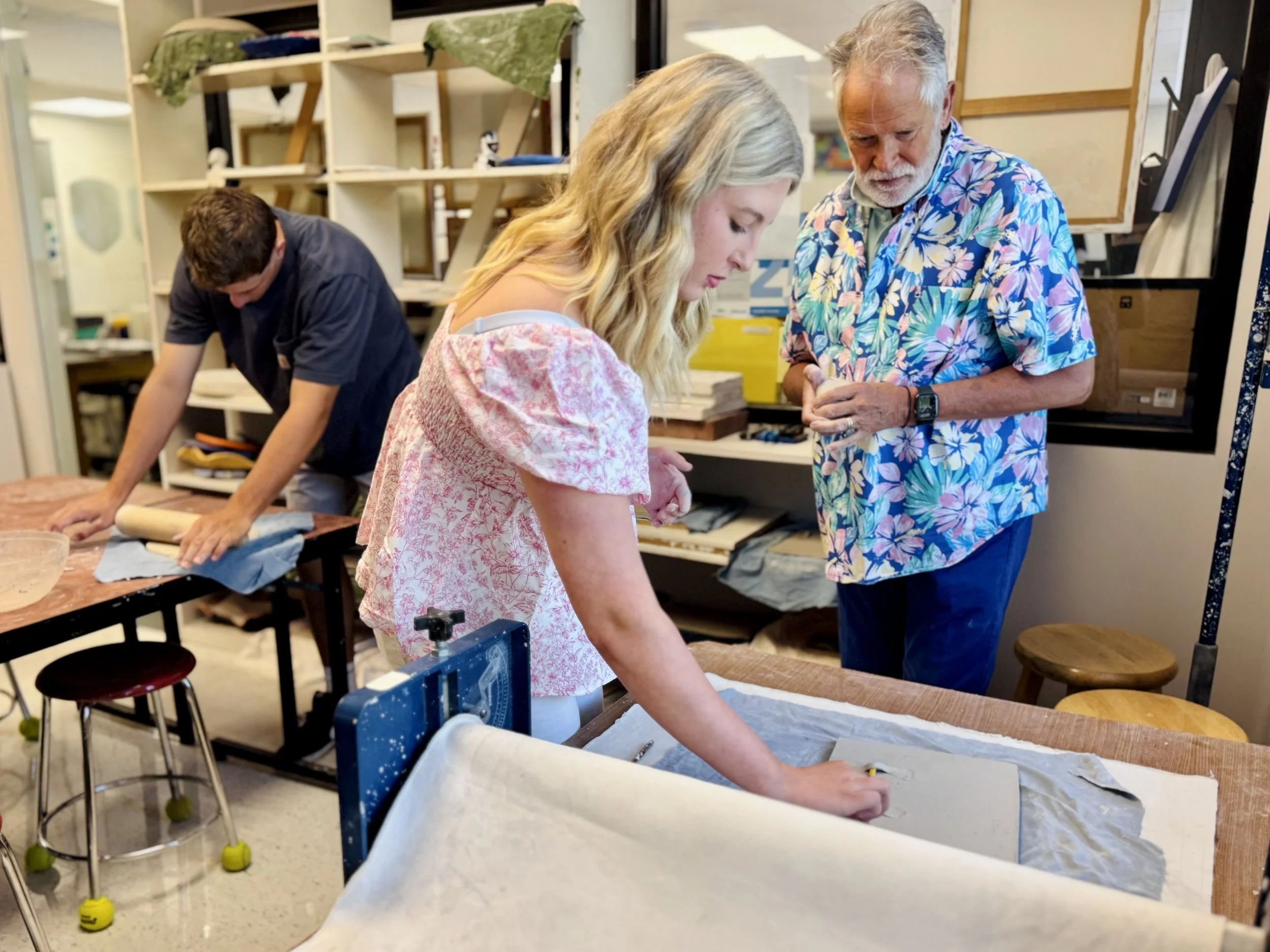
Upper School students may choose from several visual arts electives that allow for deeper focus and specialization. Options include visual arts (painting and graphic media), pottery and clay sculpture, and watercolor.
Visual arts courses mirror the structure and expectations of Middle School, with students working from their own reference materials and completing three projects per trimester. The class format is intentionally modeled after a collegiate-level studio experience.
Watercolor students begin the year mastering foundational techniques before moving on to work from observation and photographs. Students are required to complete one finished piece per trimester.
In pottery and clay sculpture, students learn to create functional and sculptural pieces using all three hand-building methods as well as the wheel. Instruction also includes glazing techniques and an understanding of surface design. Students are expected to complete six finished pieces over the course of the year.
All visual arts courses participate in curriculum-based field trips when opportunities arise, further connecting classroom learning to real-world artistic experiences.